
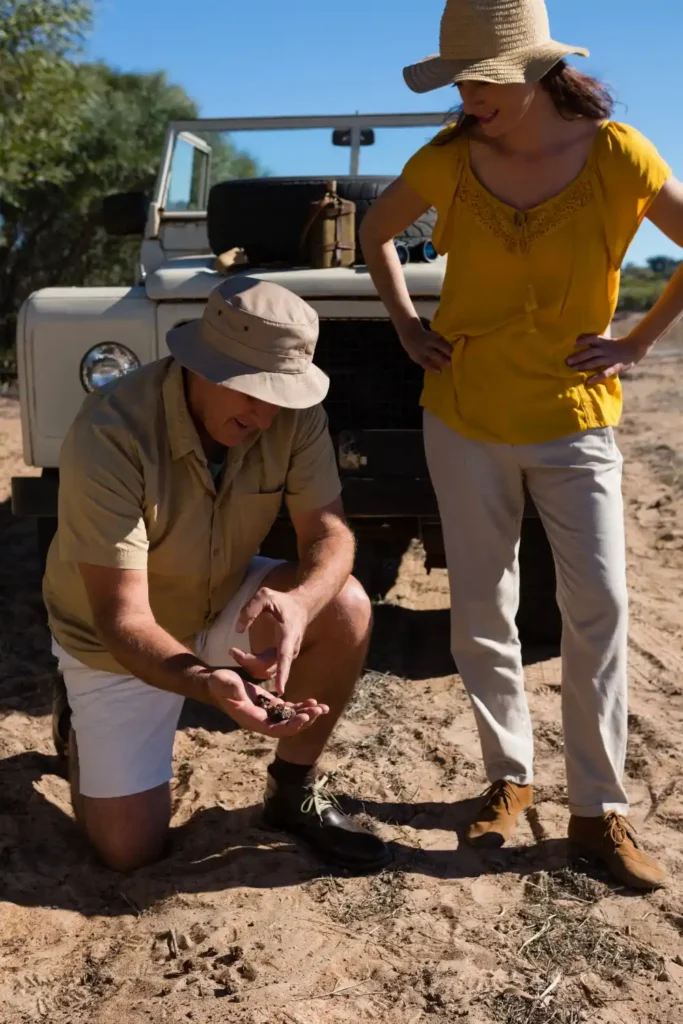
Archaeology jobs span a broader range of settings and specializations than most people expect. Field excavation is the image most people hold, but the profession also includes laboratory work, collections management, cultural resource management consulting, academic research, and government heritage work. Understanding that range is the first step toward building a realistic career plan.
The demand for archaeologists has grown steadily alongside infrastructure development, environmental review requirements, and expanding heritage protection legislation. This means that many working archaeologists spend their careers not at ancient sites, but at construction sites — reviewing land before development begins.
What unites all these roles is the core skill set: observation, documentation, spatial reasoning, and the ability to interpret physical evidence within its historical and cultural context.
Archaeologist Salary
The archaeologist salary varies significantly based on sector, experience, and geography. In the United States, entry-level positions in cultural resource management typically pay between $35,000 and $50,000 annually. Mid-career professionals with specialized expertise or project management experience can earn between $55,000 and $80,000. Senior roles in federal agencies, large consulting firms, or tenured academic positions may exceed $90,000.
In the public sector, archaeologists working for agencies like the National Park Service or the Army Corps of Engineers often receive strong benefits packages that offset salaries slightly lower than the private sector equivalent.
How to Become an Archaeologist
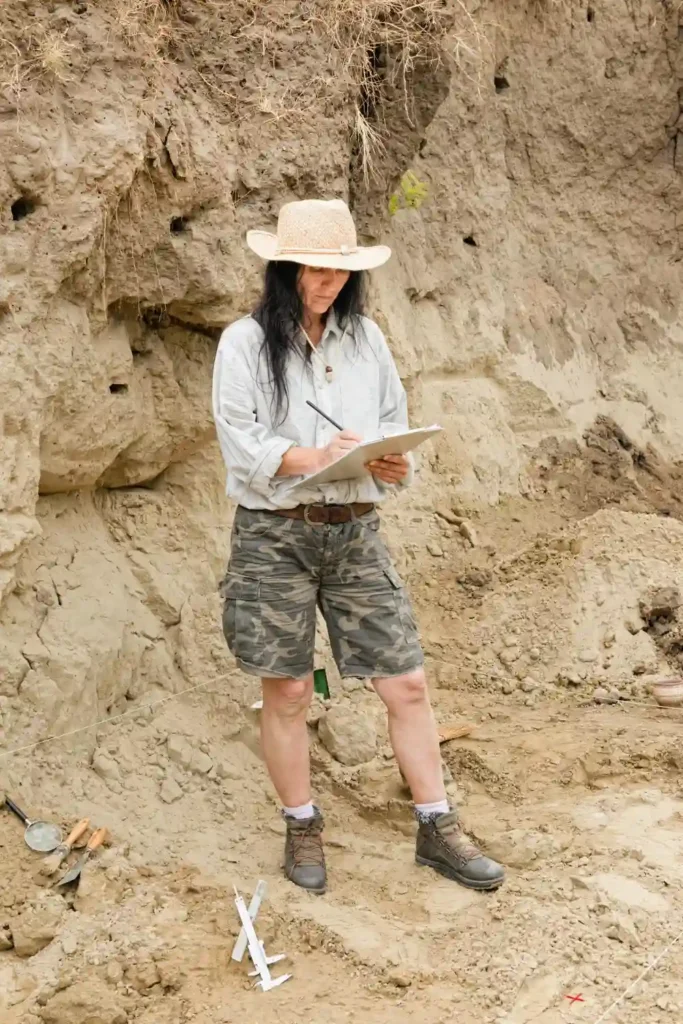
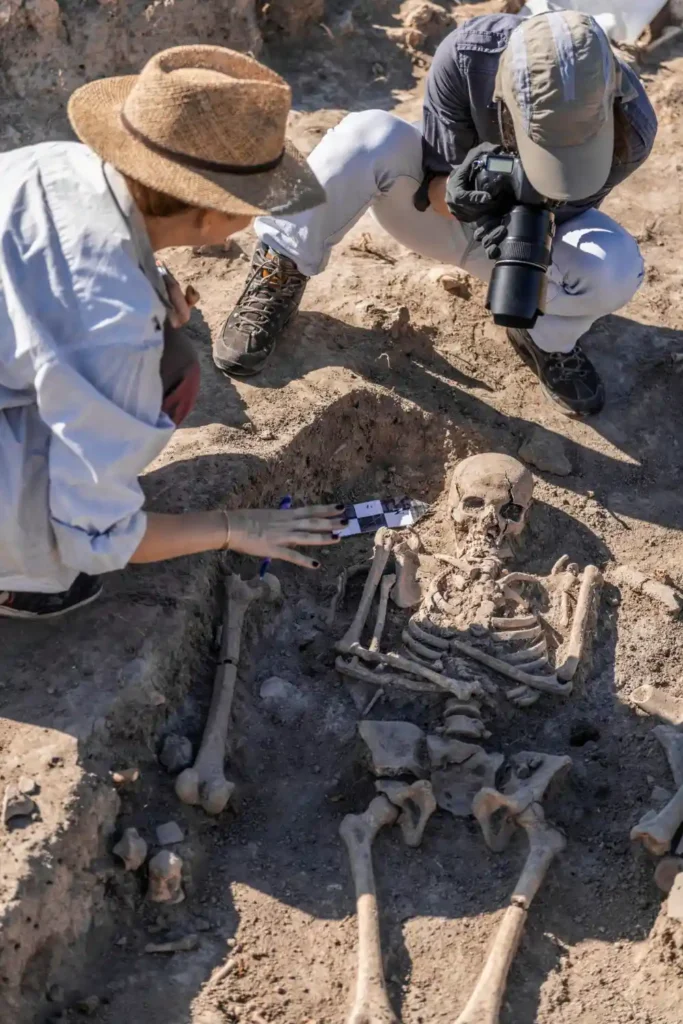
How to become an archaeologist depends on which sector you target, but most paths share a common foundation. A bachelor’s degree in archaeology, anthropology, or a closely related field is the standard entry point. Fieldwork experience gained during undergraduate study — through field schools, internships, or volunteer excavations — is not optional in practice, even when technically listed as preferred.
Graduate study opens doors to research positions, academic roles, and more specialized consulting work. A master’s degree is often the practical threshold for project director positions in cultural resource management. A doctorate is generally required for tenure-track academic posts.
Archaeology Degree Options
An archaeology degree can come from multiple disciplinary homes. In the US, most programs sit within anthropology departments, meaning students graduate with an anthropology degree that includes a concentration in archaeology. Standalone archaeology departments exist at many universities, particularly in the UK, Australia, and continental Europe.
The content of the degree matters more than its label. Strong programs include hands-on field training, laboratory methods courses, GIS and remote sensing instruction, and exposure to archaeological theory. Look for programs with active field projects where students can gain real excavation experience before graduation.
Entry Level Archaeology Jobs
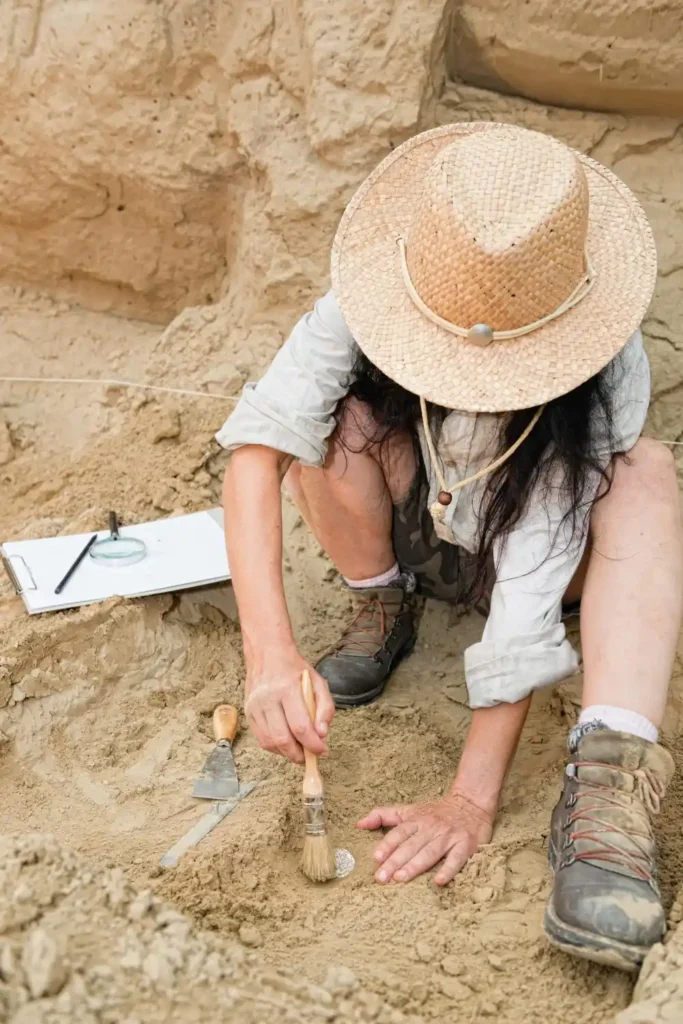
Entry level archaeology jobs are most commonly found in cultural resource management, which is the private-sector practice of conducting archaeological surveys and assessments on land slated for development. These positions — often called field technician or archaeological monitor roles — involve physical outdoor work, careful observation, and detailed record-keeping.
Most entry level roles require proof of at least one field school. Field schools are intensive training programs, typically four to six weeks, where students excavate an active site under professional supervision. Many universities offer them as course credit, and independent organizations run them as paid or subsidized programs.
Archaeologist Education Requirements and Career Growth
The archaeologist education requirements shift as careers advance. Early on, fieldwork hours and technical competency matter most. With experience, project management skills, report writing, and client communication become equally important — particularly in the consulting sector.
Career growth in archaeology often looks lateral before it looks upward. Specialists develop deep expertise in a particular region, time period, or material type. That specialization becomes leverage for more competitive positions, higher billing rates, and greater research influence.
Archaeology is a career that rewards patience and genuine curiosity. The compensation may not match other professions requiring similar education, but the work itself — recovering and interpreting the physical record of human life — is genuinely unlike anything else.